Kansas mortgage note exchange

We connect Kansas mortgage note holders with the right buyer.

Get a free Market Data Report on your Kansas mortgage note, then a path to a firm cash offer from a licensed buyer when you're ready.

✓ Free, no obligation

✓ State-specific data

✓ Licensed third-party buyers

Thinking about Selling Your Mortgage Note?
Enter your details, and we'll be in touch soon with your free Market Data Report.
Name

Is this for you?

Holding a note on Kansas property? You're in the right place if any of these apply

You sold Kansas property and carried back a note

The buyer makes monthly payments directly to you instead of a bank.

You don't know what your Kansas note is worth today

The note market shifts, and Kansas buyers price in local foreclosure rules and property values. What they paid when you created your note isn't what they're paying now.

You're still receiving monthly payments

Whether it's a seller-financed mortgage, a contract for deed, or another private note, you hold a note on Kansas real estate.

You've considered selling your note

The right starting point is knowing what your note is actually worth.

12

Midwest states served

Free

Market Data Report

3 min

To share your note details

1:1

Walkthrough with a specialist

Get My Free Report

The report

What your free Kansas Market Data Report includes

Built from Kansas data: local property trends, how buyers are pricing notes right now, and what that means for yours. It's free, and there's no obligation to sell.

01

Included

What the Kansas real estate market is doing right now

How property values, inventory levels, and days on market have shifted across Kansas, from the Kansas City suburbs to western Kansas, and what that means for the collateral backing your note today.

03

Popular

The 7 reasons note holders are selling and which apply to you

Default risk, property tax exposure, estate complexity, inflation erosion, and more. Seven real scenarios with portraits of what each looked like in practice.
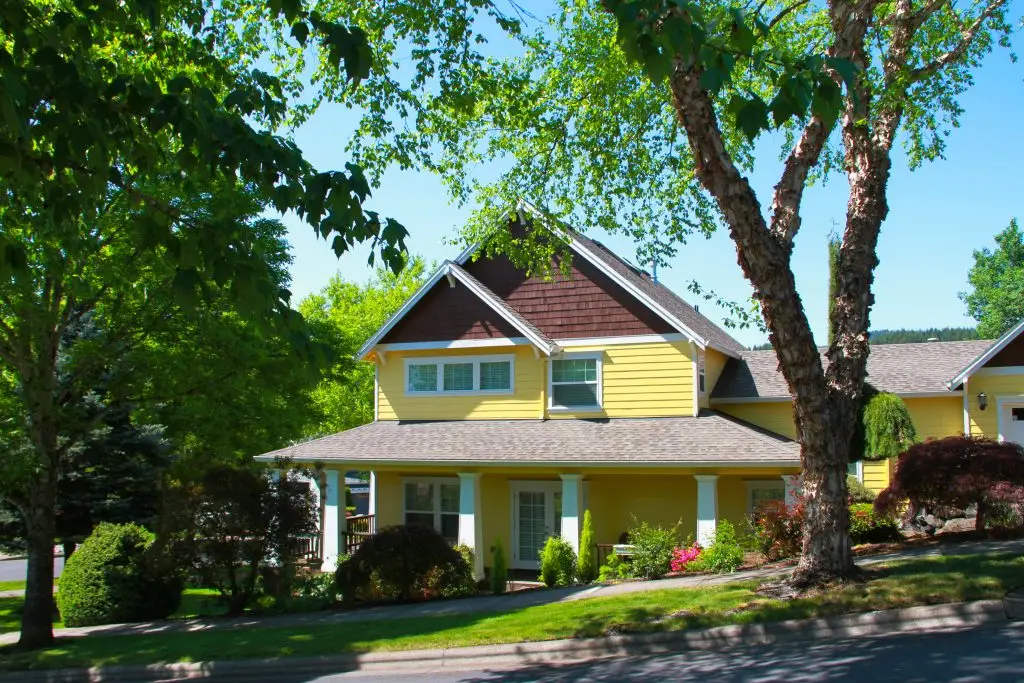
Yellow two-story house framed by large leafy trees

02

Key data

How note buyers are pricing in 2026

Buyers have shifted from volume to precision. Clean payment histories and documented cash flow now command a premium. Gaps in either get discounted fast.

04

Key data

The risks quietly building inside your note right now

Borrower default, property tax volatility, and fixed payments losing purchasing power to inflation. The three forces working against passive note income in 2026.

05

Included

What your note is worth on the market today

A path to a firm cash buyout price from a qualified buyer. Not a range, not a national average. Based on Kansas buyers and Kansas law.

Get My Free Report

How it works

Unlock Your Kansas Note's Value

You get Kansas-specific data, expert guidance, and the right buyer.

01

Share your note details

Tell us about your loan balance, interest rate, property state, and note type. Takes less than 3 minutes.

02

Get your market report

Our team looks at current investor demand and comparable note sales in Kansas to build your report.

03

Talk it through with a specialist

A specialist walks you through your report, explains what's driving your note's value, and lays out your options clearly.

04

We connect you with the right buyer

When you're ready, we match you with a licensed buyer who knows Kansas real estate, Kansas foreclosure law, and your note type. They review your note and come back with a firm cash offer.
Get My Free Report
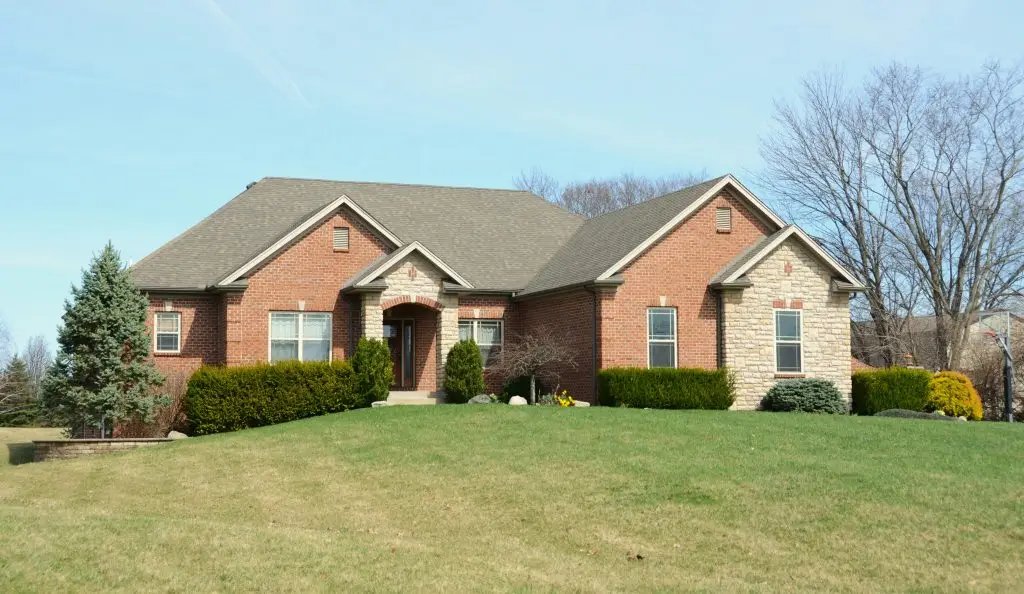
Brick ranch-style home with a landscaped front lawn

Why Kansas note holders request a report

Knowing your note's value changes what's possible

You want your money now, not over the next 15 years

Monthly payments add up slowly. A lump sum today can pay off debt, help family, or fund what matters most.

You're not sure they'll keep paying

Most borrowers are fine, until they're not. Kansas foreclosures go through the courts and can include a redemption period of up to 12 months. Selling removes that uncertainty entirely.

You don't know what's happening with the property

Is it insured? Being maintained? Once you carry a note, you're tied to that property. Selling cuts that tie.

You're ready to be done with it

Tracking payments, keeping records, wondering if the check will come. Some note holders are simply ready to close that chapter.
Common Questions

What Kansas note holders ask first

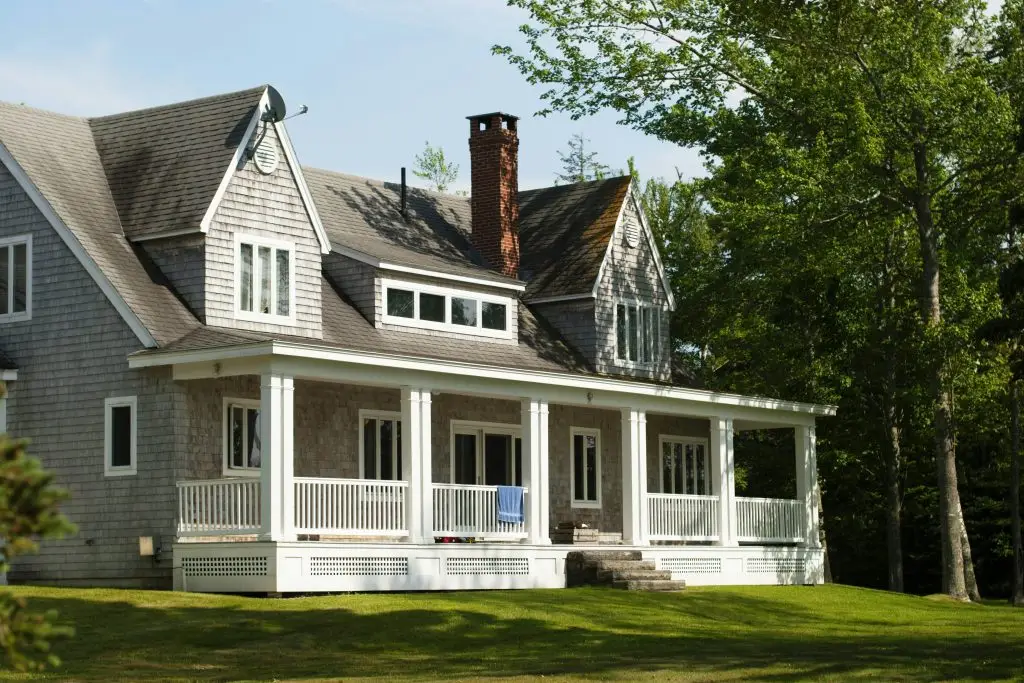
Gray shingled two-story house with a white wraparound porch

Still have questions?

Every note is different. Our team can walk you through how your state's rules apply to yours, with no pressure to sell.

Contact Our Team
What is a mortgage note?

A mortgage note (or promissory note) is the legal document that sets out the terms of a loan used to buy real estate. If you sold property in Kansas and now receive monthly payments, you likely hold a private note. In Kansas, we most often see seller-financed sales of farmland, rural homes, and small-town properties where bank lending is harder to get.

The note is the borrower’s promise to repay. The mortgage, deed of trust, or contract is what ties that promise to the property. They work together, and both affect what a buyer will pay.

It’s not an appraisal and we don’t claim it is. A formal appraisal requires a licensed appraiser, a site visit, and a fee. What we provide is a data-backed overview of what notes like yours are currently trading for in the Midwest secondary market — based on real buyer activity, recent transactions, and the specific characteristics of your note. Think of it as the equivalent of a Zillow estimate for your house: not a formal valuation, but a well-informed, current picture of where the market stands. It gives you a real number to work with before you ever speak to a buyer.

Kansas foreclosures are judicial. After the sheriff’s sale, borrowers can have up to 12 months to redeem, or as little as three months in some situations.

Note buyers always ask: if the borrower stopped paying, how long would it take and how much would it cost to recover the property? The answer in Kansas is built into every offer you’ll get. Your Market Data Report explains how it applies to your note.

Our reports are built on actual investor bid activity and comparable note transactions — not algorithms or national averages. We research what buyers are currently paying for notes with a profile similar to yours.

That said, a report is a range, not a guaranteed offer. Final pricing may shift slightly based on due diligence findings (title, insurance, payment history documentation). But our clients consistently tell us the actual offer landed within or very close to the range we quoted.

It depends on your balance, interest rate, remaining term, payment history, and the property itself, plus Kansas-specific factors like local foreclosure rules and buyer demand.

The redemption period is a big factor in how buyers price Kansas notes. Notes with a long, steady payment record and solid collateral still draw consistent interest. Your free Market Data Report shows where your note stands today.

Absolutely not. The report is designed for note holders who simply want to know what their asset is worth, whether you’re thinking of selling, planning for retirement, or just curious.

Many of our clients keep their report on file for years before deciding to act. There is zero obligation attached to receiving your report.

Yes! Completely free. There are no hidden charges, no subscription, no credit card required. We provide the report at no cost because we believe you deserve clarity before you make any financial decision.

Yes. We are an established data research and lead generation firm. Your data is handled securely and in compliance with our 2026 Privacy Policy. We do not share your information without your consent.

Simply fill out our short form. It takes about 3 minutes. Tell us your note’s balance, interest rate, property state, and property type, and we’ll deliver your free Market Data Report.

Kansas foreclosure at a glance

How Kansas's foreclosure rules shape your note's price

Kansas forecloses through the courts. After the sheriff's sale, the borrower usually has a window to redeem the property, generally 12 months. That window can be as short as 3 months when the borrower defaulted before paying down a third of the original debt.

For a Kansas mortgage note holder, the redemption window can add months before a buyer fully controls the property. Buyers factor that in, which is why a state-specific Market Data Report matters.

Borrower behind on payments? See how late payments affect a sale →

What affects a mortgage note's value →

Read Kansas's foreclosure law →

Quick facts

Process

Judicial (court-supervised)

Redemption

Generally 12 months after the sale

Shorter redemption

3 months if less than a third of the debt was paid

General information, not legal advice. Rules vary by loan and property type.

Our Kansas coverage

Serving Note Holders Across Kansas

From Wichita, Topeka, and the Kansas City suburbs to farm and ranch country out west, we work with note holders across Kansas. Kansas is one of 12 Midwest states we serve.
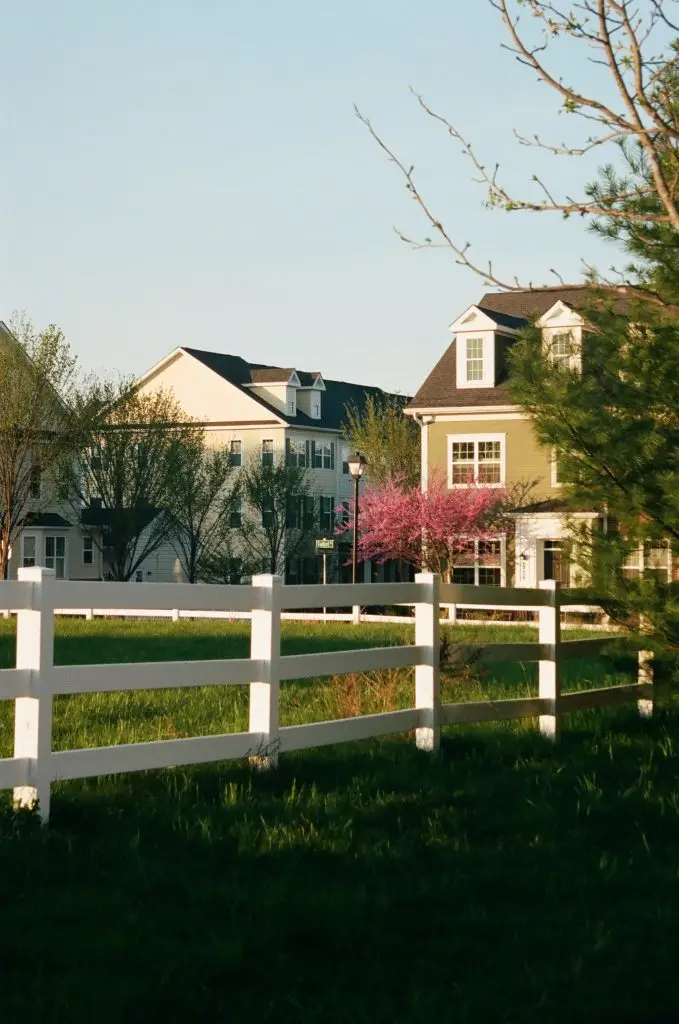
Neighborhood street of two-story homes with a white fence and flowering trees

Where we work in Kansas

Wichita

Overland Park

Kansas City, KS

Topeka

Western Kansas

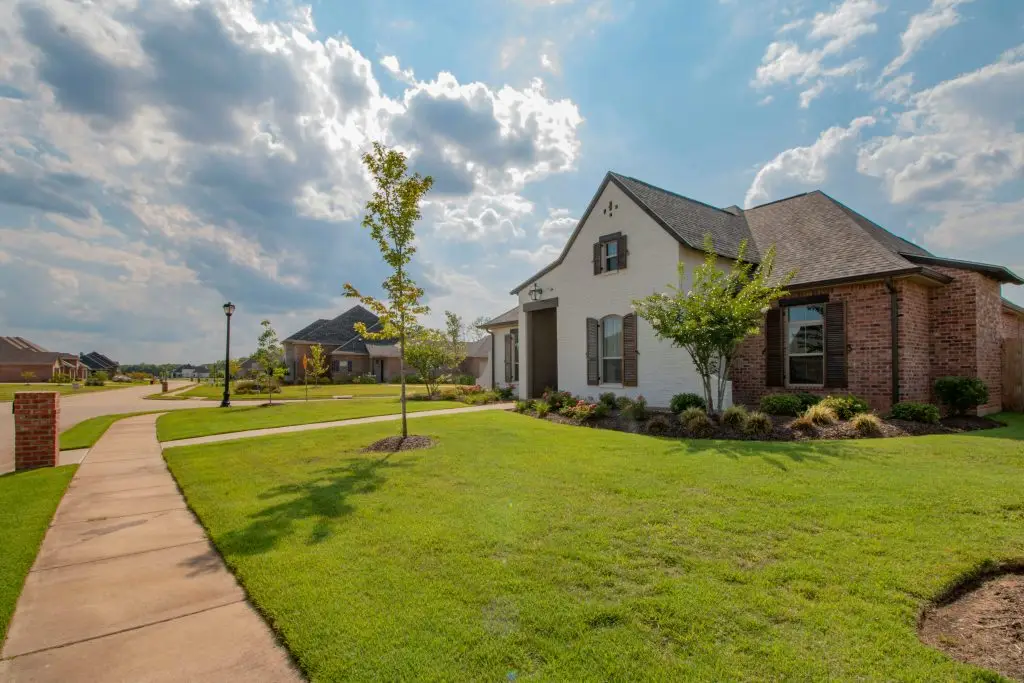
Brick and white stucco home with a curved front walkway and lawn

Notes we see in Kansas

Seller-financed farmland

Rural home notes

Small-town property notes

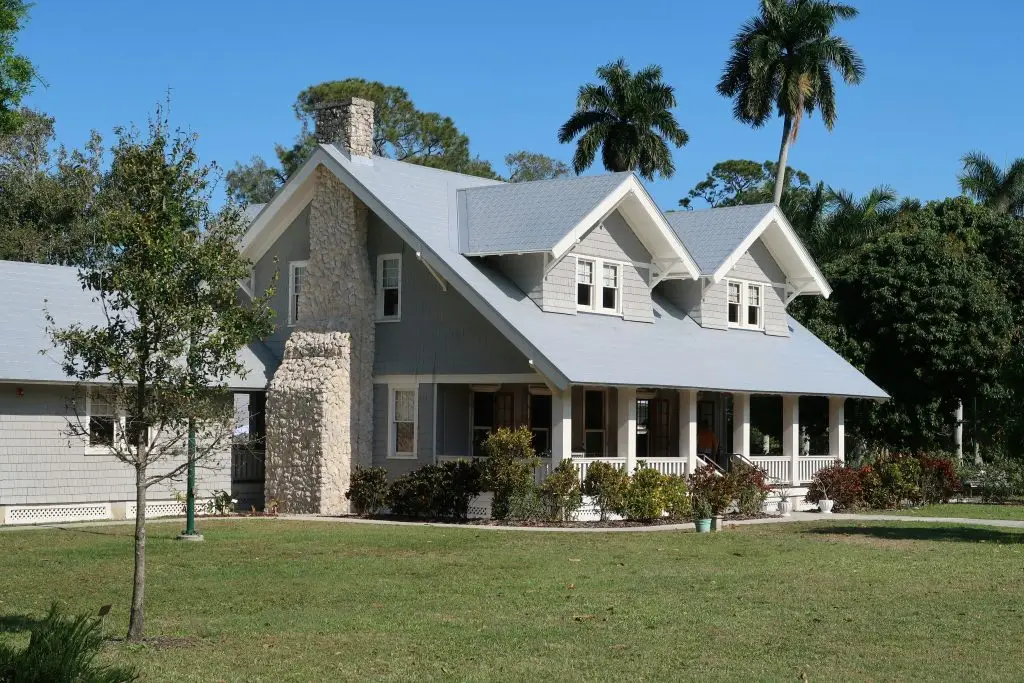
Gray craftsman-style home with a stone chimney and covered front porch

Neighboring states we serve